Articles Tagged with: design

3 Marketing Trends Currently Shaping 2026 (and What Small Businesses Can Do About Them)

Marketing in 2026 feels like a paradox on purpose.

On one hand, people are exhausted by “authenticity theater,” the brand voice that sounds relatable but is actually a performance. On the other, culture is also hungry for spectacle, fantasy, and curated unreality.

Add in a renewed pull toward spirituality/values-based identity and a tactile, old-school design renaissance, and you’ve got a year where the brands that win are the ones that choose a lane deliberately and commit.

As we travel deeper into 2026, the strategies that dominated the early 2020s are beginning to feel stale. The consumer’s bullshit detector is more finely tuned than ever, and the craving for connection is deepening and splintering in fascinating ways.

Here are the three essential marketing trends we’ve been observing in 2026 that small businesses need to know, complete with real-world examples and actionable steps.

#1 – “Alter-Reality”: curated surrealism and intentional spectacle

Audiences are tired of curated “realness,” the overly produced messiness that is meant to make the content creator look relatable and authentic. But here’s the thing: they are fully embracing artifice, fantasy, and spectacle.

If everyone is trying to be “real,” the way to stand out is to construct a hyper-real, fantastical world – what we call “alter-reality.” This isn’t about lying to the consumer. It’s about inviting them into a clearly constructed performance or artistic statement. It acknowledges that marketing is a stage where you can put on an unforgettable show.

Alter-reality in fashion

The fashion scene is one of the best spaces to spot intentional spectacle – often a collision of art, storytelling, and creative AI. Here are a few brands that do this spectacularly:

Bathing Ape. Japanese streetwear brand Bathing Ape recently announced their ICY product line with a video that’s literally cold. Amid a field of snow, a giant white and sparkly running shoe stands encased in a block of ice, attracting the homage of pilgrims in white camo jackets. The video evokes a sense of discovery, luxury, and even perhaps a religious experience.

Akiko Aoki. Japanese designer Akiko Aoki believes that fashion is performance, so it’s no surprise that the company relies on out-of-this world videos to promote their creations. This video shows water in space transforming into one of their shoes.

and WANDER. Outdoor wear company and WANDER collaborated with END. and Crocs to produce this video where two lads are enjoying a hike up a rocky shore that leads to a beach with breathtaking views. Watch until the end for the twist.

How-to for small businesses

  1. Develop a brand persona. Don’t just be “relatable.” Create a heightened, theatrical version of your brand’s personality. Think of it as a character that embodies your brand’s most daring qualities.
  1. Create fantastical visuals. For a specific campaign, ditch lifestyle photography for artistic, dreamlike imagery. Use bold colors, exaggerated proportions, or surreal compositions in your product photos.
  1. Lean into storytelling. No matter how cool or fantastic your imagery is, your content won’t track if it doesn’t have a story to hook your audience.
  1. Be honest about the artifice. If you use AI/CGI heavily, disclose it. The magic works better when people feel invited, not tricked.

#2 – Soul Branding: connecting through reflection and shared values, not spiritual cosplay

In 2026, spirituality in branding isn’t “add a moon phase graphic and call it healing.” The version that lands this year is a values-based meaning that encourages people to reflect upon themselves and participate in the experience. We’re talking rituals, mindfulness, gratitude, kindness, restoration, and community care.

Our world is becoming increasingly secular but deeply anxious. Consumers are looking for brands that offer more than just a transaction. They’re seeking a sense of belonging, purpose – and yes, actual spiritual connection.

This doesn’t mean that your brand needs to become religious. Instead, it’s about tapping into universal human values, offered as a practice or philosophy, and not as a costume.

Headspace and the branding of mindfulness

Headspace, the meditation and mindfulness app, is a prime example of building a brand around a spiritual need. They didn’t sell a meditation timer. They branded peace of mind.

Through friendly animation, accessible language, and a clear promise of “less stress, more sleep,” they demystified an ancient spiritual practice and made it a modern lifestyle essential.

Their marketing focuses on the shared human experience of anxiety and the collective desire for a calmer mind, creating a massive community united by this common value. Their content, from podcasts to Netflix specials, reinforces this mission, positioning the brand as a guide on a personal journey.

How-to for small businesses

  1. Identify your core value. Beyond the functional benefit of your product, what deeper need does it serve?
  1. Build community around that value. Host workshops, discussion groups, or online challenges that focus on this shared value, not just your product. A yoga studio could host a “mindful living” discussion group, not just yoga classes.
  1. Share your “why” on a deeper level. Tell the story of why you started your own business in a way that connects to a larger sense of purpose. Be vulnerable about your own journey toward that value. However, avoid moral superiority or implying that people are lesser if they don’t share your worldview.
  1. Encourage your audience to reflect. Do you have something to say to your audience that will require them to think deep and search within their soul? Don’t be afraid to say it. We’re living in an age when people need to reflect and act on what they stand for.

#4 – Tactile Design: handmade texture as proof of roots

As our lives become dominated by screens, there’s a growing hunger for the tangible, the handmade, and the imperfect. This trend sees brands using traditional, analog methods in their visual identity to tell a story of craft, heritage, and human touch.

It’s a rebellion against the slick, flat aesthetic of the AI-generated visual age, using texture and physical processes to create a more visceral connection. It communicates rootedness without needing explanation. And it gives customers something sensory to remember because touch, or the implied touch even on screen, creates stronger emotional imprint than flat visuals alone.

Rose Bakery: turning bread into print assets

One of the best modern “tactile identity” case studies is Rose Bakery, where Super Studio built an entire visual system from the physical language of baking and old-school print techniques.

The identity was inspired by real bakery processes, including marks like scoring lines in dough – those blade cuts bakers make before baking. Super Studio translated that into a logo language that feels like bread craft, not generic artisan styling.

The system also leaned into a potato-print/stamp-like technique and textured visuals that eco traditional printmaking. So, the brand looks like it was made the way the bread is made: by hand, with heat, time, and material.

The visuals don’t just decorate the brand. They behave like the product behaves. That’s tactile storytelling.

How-to for small businesses

  1. Make your own textures. Ink-stamp something connected to your product (like a tool imprint, a botanical leaf, or a fabric weave), scan it, and build your brand patterns from that.
  1. Use analog artifacts as content. Film the stamping/printing process. Customers love watching physical craft happen.
  1. Translate tactile into digital. Turn scans into backgrounds, packaging labels, social templates, and website accents so the handmade story stays consistent across channels.
  1. Have fun. Creating something with your own hands, where you actually hold and manipulate tools and materials, is a therapeutic experience. Dive in and have fun.

Pick, then commit.

2026 isn’t demanding that brands be one thing. It’s demanding coherence.

Set aside curated “realness.” Your audience doesn’t want to see bullshit like that anymore. Instead, be boldly surreal with intentional spectacle. Bring back tactile signals that engage the senses, signal trust, and show where you come from. Most importantly, root your brand in values that people can feel.

The common thread we have here is a rejection of the middle ground. In 2026, bland and safe won’t survive. Whether you choose curated fantasy, deep spiritual connection, tangible craft, or a little bit of everything, the key is to commit fully and tell a story that resonates on a human level.

It’s time to pick your path and start building.

Create a powerful brand story that speaks to your audience and engages them on a spiritual level. Collaborate with Sacred Fire Creative today.


5 Vital Lessons Every Digital Marketer Can Learn from Zohran Mamdani

How did a young unknown like Zohran Mamdani win the heart of a city and become its mayor?

On Tuesday, November 4, Mamdani made history by becoming the youngest mayor-elect of New York City at age 33. Not only that, he became the city’s first Muslim mayor with South Asian heritage. With 50.4% of the vote over opponent Andrew Cuomo’s 41.6%, Mamdani’s win is a signal that New Yorkers are ready to embrace something new.

A victory as resounding as Mamdani’s is unusual for someone who was virtually unknown in NYC just a year ago. So how did Zohran clinch it?

We can find one of the answers in the way he branded his campaign. And his branding is a masterclass in show-stopping, avant-garde digital marketing.

Here are five lessons we learned from Zohran Mamdani’s mayoral campaign that every digital marketer needs to know.

1.   Root Your Brand in Real Culture

The typical politician’s campaign sported blue, red, and white – the colors of the US flag, signifying patriotism.

Mandani used a different color palette that looked like New York itself. It echoed the yellows of NYC cabs, the blue of MetroCards, the red of corner-store awnings. Even his posters looked like something you’d see taped to a light pole in Queens. The wordmark even appeared hand-lettered like a neighborhood signage.

By using NYC’s visual language, Mamdani told voters that he’s one of them. It was authenticity made visible.

Lesson:

Your brand isn’t just what you say. It’s what you reflect back to your audience. The most effective campaigns are grounded in the culture, humor, and rhythm of the people they serve.

So, use design cues that your audience already loves and resonates with. Speak in their language, not in marketing jargon.

Zohran for New York City wordmark


2.   Make Your Two Seconds Count

You only have two seconds to capture your audience’s attention. If you don’t stop their scroll in two seconds, you’re lost.

Mamdani’s team understands that busy New Yorkers don’t have time to read through blocks of text. They’d only glance at them for two seconds. That meant every word, line, and color had to count.

So they stripped it down. They used minimal copy and bold visuals. They kept their message clear. And they adopted Zohran as Mamdani’s mononym.

Lesson:

Whatever campaign you’re running, you need to understand that your audience is busy and preoccupied. They’re scrolling, skimming, glancing. You’ve got two seconds to make them stop.

Ask yourself: If someone sees my ad for only two seconds, what message sticks? Can they tell what I do, who I serve, and why it matters?

Every post, headline, or reel should pass the “two-second rule.”

3.   Keep Your Designs Consistent

One logo alone doesn’t make a brand, and Mamdani’s campaign proved it.

Every element, from posters to tote bags to social media posts, was part of a consistent system. The colors, typography, and tone all reinforced the same story. The result was unmistakable cohesion.

People instantly recognized the brand as Mamdani’s.

Lesson:

Think of your brand as a living system that expresses itself across platforms.

Your emails should sound like your Instagram posts.

Your proposal templates should reflect your website design.

Your videos should echo your brand tone and palette.

Cohesion creates credibility. When everything looks and feels connected, your audience senses that you’re intentional. And that builds trust.

4.   Let Personality Lead the Design

One thing that set Mamdani apart was how personally involved he was in his branding. He actively helped shape it. The campaign reflected his personality: youthful, grassroots, empathetic, and a little rebellious.

People responded. They didn’t just like the visuals. They liked him.

Lesson:

Your brand should feel like a person your audience wants to know.

Infuse your personality into your copy and visuals. Show the people behind the brand: the artists, the strategists, the dreamers. Let your values and quirks shine through.

Audiences crave human connection. The more your brand feels alive, the more they’ll engage.

5.   Be Daring

Perhaps the boldest thing that Mamdani’s campaign did was to reject political branding convention entirely.

No flags. No eagles. No polished slogans. What he had were hand-drawn letters, bold urban color, and joyfully imperfect designs. It looked nothing like a political campaign, and that’s exactly why it worked.

Lesson:

In a sea of sameness, difference is your superpower.

Find what everyone else in your niche is doing, then go the opposite direction. Don’t be afraid to show personality or challenge expectations. Let your authenticity lead the creativity.

Breaking the mold doesn’t mean being outrageous, especially when you’re being true to what your brand is.

Have the Courage to Be Real

Zohran Mamdani’s branding campaign succeeded because it looked, sounded, and felt like the community it represented. It dared to look human in a world of glossy sameness.

That’s the real takeaway for digital marketers.

Whether you’re a creative entrepreneur, a small business owner, or a digital marketer building brands for others, remember this:

People don’t fall in love with perfect brands. They fall in love with honest ones.

So, which of these five lessons will you bring to your next marketing campaign?

Got a show-stopping story that you want more people to know about? Collaborate with Sacred Fire Creative and make your story shine.


Turning Carbon Footprints into Climate Solutions: John Mead’s Innovative Approach to Concrete Construction

Concrete is a cornerstone of modern construction, from towering skyscrapers to humble homes. However, its environmental cost is staggering.

Cement, a key ingredient of concrete, accounts for approximately 7% of global carbon emissions – a significant contributor to climate change. Beyond cement production, the environmental toll of concrete includes mining and quarrying resources like limestone, heating limestone with fossil fuels, and transporting materials.

Recognizing the urgent need for change, John Mead has made it his mission to transform concrete from a climate culprit into a solution. He achieves this through Solid Carbon, a company he co-founded in 2022.

Solid Carbon is pioneering carbon-negative construction, reducing emissions by producing sustainable, durable concrete that sequesters carbon rather than releasing it.

Concrete that Reverses Climate Impact

According to John, a pound of carbon dioxide is released into the atmosphere for every pound of concrete produced. Solid Carbon’s innovations are designed to flip this equation.

By incorporating biogenic carbon-based materials, their concrete absorbs and stores carbon during production and use, creating a built environment that actively contributes to climate change.

Their products also emphasize that sustainability doesn’t come at the expense of quality or profitability. Solid Carbon’s products are durable and versatile, suitable for structural and decorative applications in both commercial and residential projects. From factory floors to winery conversions, their concrete proves that sustainability and performance go hand in hand.

From Innovation to Impact

Solid Carbon’s success is fueled by collaboration with key partners such as the McMinnville Economic Development Partnership (MEDP), the Strategic Economic Development Corporation (SEDCOR), and Business Oregon.

With a $241K High Impact Opportunity Grant, the company partnered with Oregon State University for solution testing and community projects. These community projects included pilot pours for the Miller Woods welcome pavilion and the Alpine Crossing patio. These initiatives have expanded their capacity to revolutionize the construction industry.

Since then, the company has worked on significant projects such as:

  • Homes for Habitat for Humanity in Gig Harbor, WA
  • An installation of vertical walls and a tunnel for Burnside Skatepark in Portland, OR.
  • The 5,000 square-foot floor of Remy Wines’ winery production space
  • The 440 cubic-yard factory flooring of New Energy Works in McMinnville, their biggest pour to date

Impressive achievements and recognition have marked Solid Carbon’s journey.

In 2022, it received the SEDCOR Innovative Product Award, which honors its groundbreaking work in sustainable concrete. 

In 2023, MEDP celebrated its contributions to local sustainability efforts with the McMinnville Innovator Award.

In 2024, Building Green Magazine included Solid Carbon’s concrete among its Top 10 Products list, acknowledging their industry-transforming innovations.

For Solid Carbon, profitability and sustainability are not at odds – they are essential to creating a better future. John believes in leaving the planet better than we have found it. Through innovative materials and visionary leadership, John and Solid Carbon prove that even the most entrenched industries can become agents of climate action.

Hear John Mead’s Story at the LMV Startup Bootcamp

From January 31 to February 2, 2025, John will share his vision and story at the Launch Mid Valley Startup Bootcamp. He will show how businesses can grow and profit while positively impacting society and the environment.

The Startup Bootcamp is an excellent opportunity to learn how to take your business to the next level. Save these dates and stay tuned for details.


Is Your Brand Ready for the Coming Transformative Cosmic Shift?

The stars are aligning – quite literally – to create an unprecedented opportunity for brands and businesses to grow with purpose, authenticity, and creativity. At Sacred Fire Creative, we’re inspired by a fascinating alignment of cosmic energies reshaping how we approach relationships, self-discovery, and creativity.

These shifts aren’t just esoteric ideas. They offer real, actionable insights that businesses can use to thrive in the digital age. Here, we explore three cosmic shifts and provide an action plan to help you leverage these shifts to create a brand that truly resonates with your audiences.

Quantum Relationships: Building Deeper, Purposeful Connections

By 2027, we’ll enter what’s known as the Cross of Sleeping Phoenix, a period where people will increasingly seek connections based on shared values, authenticity, and purpose rather than quick, transactional gains. This shift represents a powerful movement towards quantum relationships, where brands can create meaningful, lasting connections.

How to Leverage Quantum Relationships

  1. Identify and clarify your core values. Definite what your brand stands for – sustainability, inclusivity, innovation, or integrity. Align these values with your mission and ensure they are present in every aspect of your branding, from your messaging to customer interactions.
  2. Create purpose-driven content. Share stories and content that echo your audience’s values and demonstrate how your brand aligns with their ideals. Authentic, relatable stories highlighting your brand’s commitment to these values will attract a loyal audience.
  3. Nurture long-term relationships. Rethink your approach to customer relationships by investing in loyalty programs, personalized interactions, and follow-up engagement. Encourage long-term loyalty rather than focusing solely on immediate sales, as the power of a dedicated audience far outweighs the benefits of quick transactions.
  4. Collaborate with like-minded brands. Partner with brands and influencers who share your values to expand your reach and credibility. Look for partnerships that can create a win-win scenario where both parties enhance each other’s mission and values.

Inner Power and Self-Reliance: Trusting Your Vision for an Authentic Brand

The Age of Aquarius is more than a hippy Fifth Dimension song – it’s a call to shift inward, encouraging us to trust our intuition and allow our vision to lead us forward. This era emphasizes the importance of inner power, self-reliance, and authenticity. It’s a reminder that your brand’s unique identity should come from within.

How to Build a Brand Fueled by Inner Power and Self-Reliance

  1. Strengthen your brand story. Your brand’s story should reflect its authentic purpose and vision. Why was your business created? What impact do you aim to make? Articulate this story clearly and consistently across all your communications to foster a genuine connection with your audience.
  2. Encourage team creativity and autonomy. Empower your team members to contribute ideas, embrace creativity, and take ownership of projects. By creating an environment that values individual contributions, you’ll foster a culture of innovation and authenticity.
  3. Invest in self-discovery and growth. Just as we look inward for personal development, business leaders and teams should continuously work on developing their understanding of the brand and its purpose. Consider regular strategy sessions focused on the brand’s vision, where team members can realign with the purpose and share new insights.
  4. Be true to your unique voice. Allow your brand’s voice to reflect its true personality, whether playful, inspiring, or innovative. Consistency in your brand’s voice will attract an audience that resonates with your message and sees your business as a genuine, relatable entity.

The Age of Intuition and Technology: Balancing Strategy and Creativity.

According to Chinese feng shui, we’ve entered Period 9, or Jiu Yun, a time that values creativity, intuitive technology, and the empowerment of feminine energy. In this era, AI, cloud-based solutions, and collaborative creativity will shape the future, making it essential to balance the strategic with the intuitive for optimal growth.

How to Leverage Intuition and Technology for Your Brand

  1. Adopt AI and automation thoughtfully. Invest in AI-driven tools that free up time for creative and strategic work. Use technology to enhance customer experience, streamline processes, and provide insights, but don’t let it replace the human touch that builds connection.
  2. Embrace intuitive creativity in strategy. Go beyond data and metrics by listening to your gut when exploring new ideas. Host brainstorming sessions that allow for a mix of structured and free-flowing creativity, encouraging your team to think outside the box.
  3. Integrate empathy and feminine energy into leadership. Feminine energy in business means emphasizing collaboration, compassion, and intuitive thinking. By balancing this with strategic decision-making, you’ll foster a culture that appeals to today’s values-driven customers. This approach creates a brand that feels deeply connected to its audience.
  4. Use technology to create personalized experiences. Harness the power of AI to gather insights and deliver customized experiences to your audience. Personalized recommendations, targeted email campaigns, and tailored interactions can make your customers feel truly seen and appreciated.

These cosmic shifts we’re experiencing are more than just trends – they signal a new way of doing business. Embracing them can transform your brand from just another business into an impactful entity that resonates with audiences on a deeper level. Brands emphasizing purpose-driven relationships, authentic identity, and intuition balanced with tech will thrive and stand out as leaders in this new era.

Ready to make the shift? Sacred Fire Creative supports entrepreneurs with a clear vision they want to translate into reality. Contact us today, and let’s see how we can collaborate.


Little Nestlings Early Learning Center to Be Featured on KOIN

What do you do when a good friend tells you they will be on TV? You get excited for them and save the date of their appearance on your calendar, of course.

Well, that’s what the Sacred Fire Creative team feels right now. We’re so thrilled to announce that our client, Little Nestlings Early Learning Center, will be featured on the KOIN network soon.

The details are still being worked out, but we can’t wait to see Colleen Cleary and the Little Nestlings team on TV. Stay tuned!

At Little Nestlings, the environment plays an essential role in learning.

Little Nestlings Early Learning Center is a new preschool that opened in Fall 2024 in West Linn, Oregon. Headed by veteran educator Colleen Cleary, the school offers a curriculum inspired by the Reggio Emilia philosophy.

In the Reggio Emilia philosophy, children are seen as capable of directing their learning, and the environment acts as a teacher. The little ones are encouraged to be curious, explore their surroundings, observe their senses, and ask questions. Much of the study time takes place outdoors.

Through this model, children get to develop a sense of discovery and a deep love for learning. They get to build a solid foundation that will serve them throughout their school years and later in life.

Little Nestlings’ TV appearance is part of an ongoing branding campaign.

We’re happy to say that Little Nestlings’ upcoming TV appearance results from Sacred Fire Creative’s ongoing campaign to bring awareness to the school’s brand.

Since early 2024, we’ve been on a multi-tier marketing campaign for the school. This campaign included designing and search-optimizing their website and populating their social media channels. We’ve also been conducting mainstream media and community outreach. 

We believe in the impact that Little Nestlings Early Learning Center will bring to early education and the community as a whole in West Linn. It’s an honor for us to be part of their journey.

Your brand is your legacy. At Sacred Fire Creative, we can help you build a legacy that will leave a lasting and positive impact on your community. Contact us today and discover how we can collaborate.


[CASE STUDY: BEFORE] *ARTIST WEBSITE DESIGN*

https://www.youtube.com/watch?v=kzEzcRd9crU

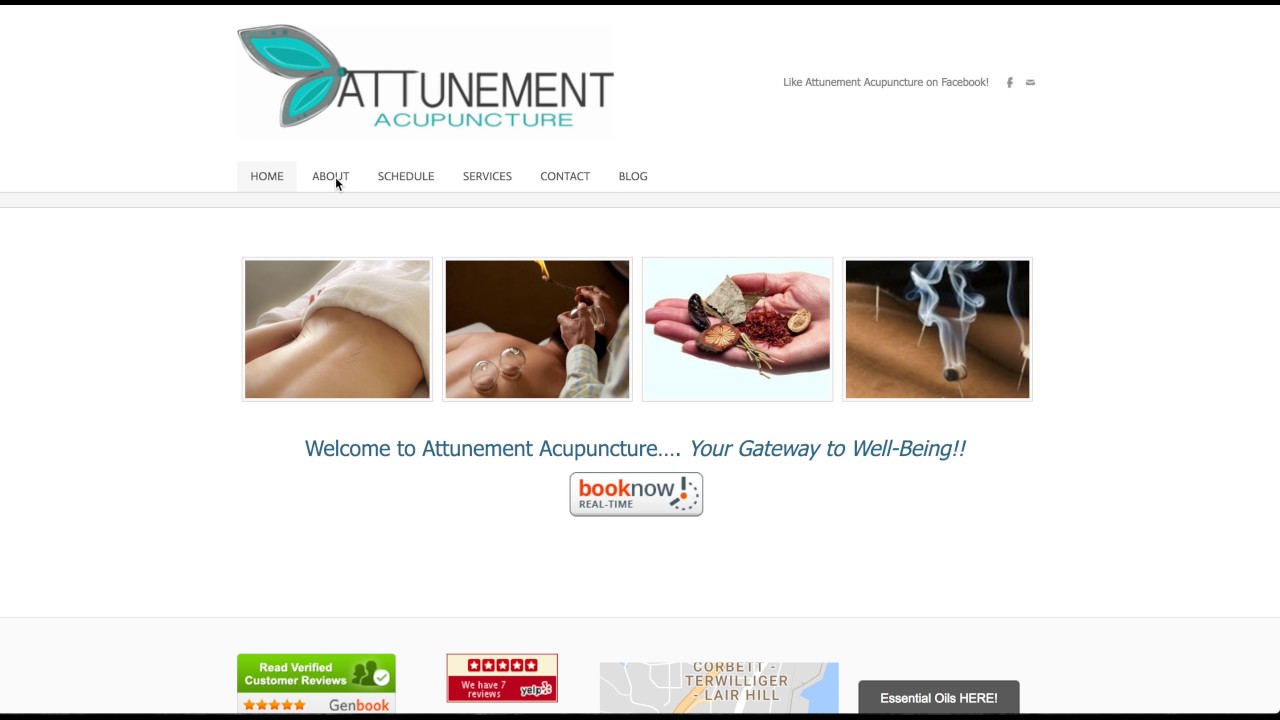
[CASE STUDY: BEFORE] *ACUPUNCTURE WEBSITE* PORTLAND, OR

https://www.youtube.com/watch?v=v0518vnDsLU

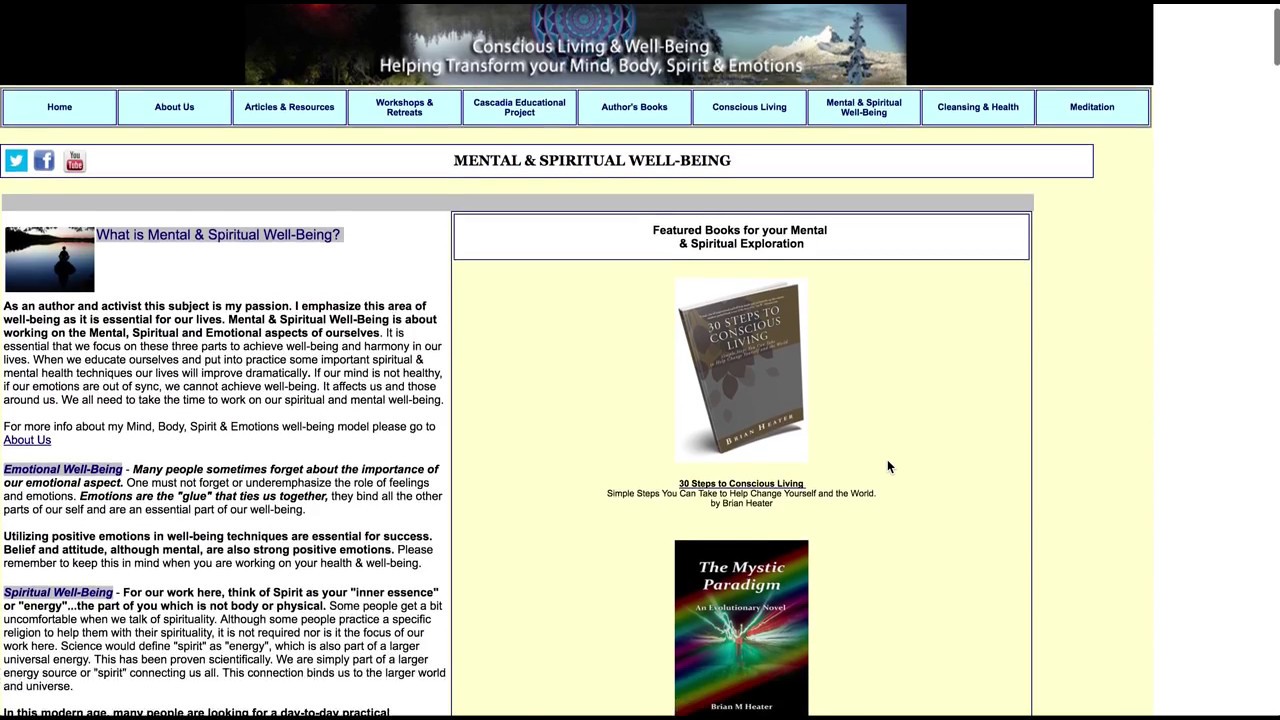
[CASE STUDY: BEFORE] *CONSCIOUS LIVING*

https://www.youtube.com/watch?v=6hr7DJuL6rU

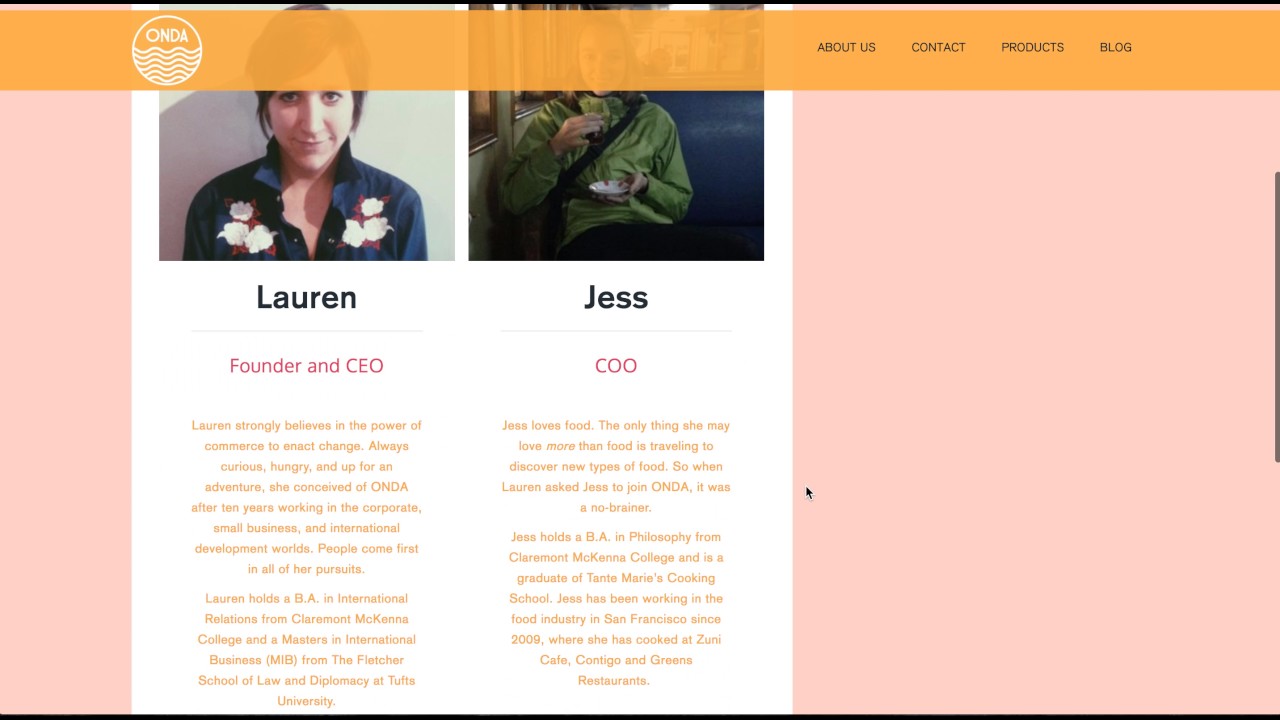
[CASE STUDY: BEFORE] ONDA FOODS

https://www.youtube.com/watch?v=oa2ql5NgDe0

Privacy Settings
We use cookies to enhance your experience while using our website. If you are using our Services via a browser you can restrict, block or remove cookies through your web browser settings. We also use content and scripts from third parties that may use tracking technologies. You can selectively provide your consent below to allow such third party embeds. For complete information about the cookies we use, data we collect and how we process them, please check our Privacy Policy
Youtube
Consent to display content from Youtube
Vimeo
Consent to display content from Vimeo
Google Maps
Consent to display content from Google