Articles Tagged with: leadership

Roadmap to Financial Security: A 6-Step Guide to Safeguarding Your Future

Achieving financial security is a journey that anyone can start regardless of age or income level. Knowing how to manage your money wisely is critical for peace of mind and long-term stability. No one can guarantee you’ll get rich quick, but by educating yourself about saving and investing and following a sensible plan, you can steadily build financial security over time.

While a lucky few may inherit wealth or strike it big in business, for most of us, the surest path to stability is to live within our means and consistently save and invest for the future.

In this blog post, we lay out core principles of financial security and a clear roadmap that you can adapt to your life. Let’s get started on your journey to financial peace.

Let’s look at the core principles of financial security.

Before diving into the roadmap, it helps to understand a few core principles that underpin financial security. Think of these as the “rules of the road” for your money.

Staying true to these ideas will keep you on track no matter what stage of life you’re in.

Live within your means.

In simple terms, don’t spend more than you earn. This means aligning your lifestyle and expenses with your income. If you want something you can’t afford today, save up for it instead of relying on credit. It might involve delaying big purchases until you have to cash for them and planning ahead for future expenses.

Avoid overspending.

Overspending is a common pitfall. By sticking to a budget and avoiding lifestyle inflation (lifestyle inflation means increasing spending when income rises), you ensure that your finances remain balanced.

Build an emergency fund.

Always expect the unexpected. Life often throws curveballs – a surprise car repair, a medical bill, or even job loss. An emergency fund is a dedicated pool of savings for these unplanned expenses. Without a cushion, even a minor financial shock can set you back and potentially push you into debt.

Avoid bad debt.

Not all debt is created equal. Good debt might be a reasonable mortgage or student loan. It’s an investment in your future. Bad debt, on the other hand, typically refers to high-interest debt used to buy things that don’t hold their value, such as credit card debt for gadgets or payday loans. High-interest debts can quickly snowball and eat up your income. If you must borrow, do it for things that build value, like education, a home, or a business, and have a plan to pay it off. Avoid carrying a credit card balance if at all possible.

Invest for the future.

Saving money is crucial, but letting your money grow is the key to long-term wealth. Investing simply means putting your money into assets that can earn a return over time. The sooner you start investing, the more you can harness compound interest, essentially earning interest on top of interest, to build wealth.

Keep these principles in mind as you move on to the roadmap. They will guide your decisions at each stage.

Here are six steps to follow to create financial security.

Everyone’s situation is unique, but the path to financial security generally involves a series of common steps. Here’s a flexible roadmap you can follow and adapt to your circumstances.

Step 1: Assess your finances and set goals.

Start by understanding where you are today and where you want to go. This step is about taking a clear-eyed look at your current financial picture and defining your financial goals for the future.

  1. Take inventory of your finances. Gather information on all your income, expenses, debts, and assets. Figure out how much comes in and goes out each month. List out everything you owe and everything you own or have saved. Calculate your net worth by subtracting what you owe from what you own. The purpose here is to get a starting benchmark and to highlight areas that need your attention.
  2. Set clear financial goals. Think about what you want to achieve and why. Good financial goals give you direction and motivation. Make a list of your top priorities, such as building an emergency fund or paying off a specific credit card. Then, attach a time frame to each. Try to make your goals specific and realistic. For example, instead of saying, “I want to save a lot,” you might say, “I want to save $1,000 in an emergency fund in the next six months.”
  3. Prioritize and plan. If you have multiple goals, prioritize them. It’s okay to work on more than one at once, but you need to decide what comes first. Generally, in the short term, building an emergency fund and paying down high-interest debt are top priorities for financial security. Longer-term goals like investing for retirement or a house can come next. Also, write down your plan for the next few months and years. Planning doesn’t guarantee life will go exactly as scripted, but it gives you a schedule to follow and adjust as needed.

Step 1 is meant to give you a solid understanding of your money inflows and outflows and your starting net worth. It also allows you clarity on your financial goals and priorities. This serves as the foundation for the next steps.

Step 2: Create a budget and live within your means.

A budget is simply a plan for how you will spend and save your money each month. Budgeting might sound tedious, but it is absolutely key to living within your means and reaching your goals. Setting a budget ensures your expenses don’t exceed your income and you’re allocating money toward your priorities.

  1. Track your income and expenses. Start by tracking your actual spending for a month or two if you haven’t done this before. Write down or digitally record every bill paid and purchase made. This can be eye-opening, revealing where your money really goes. Once you have a baseline, organize your spending into categories and compare it to your monthly take-home income. Tracking your income and expenses helps you identify problem spots and figure out where to cut back.
  2. Give every dollar a job. Now that you know where your money goes, create a plan for how you’re going to spend it for the next month. List your expected income, then assign that income to cover needs, wants, and savings. The goal here is to be intentional with your money. Cover the necessities, enjoy within reason, and consistently tuck away the rest for your future. Make sure you pay yourself first – this means setting aside money for savings before you start spending on other things.
  3. Live within your means. With your budget in place, commit to living within it. This might require making some cuts in spending, especially if you discovered leaks during your tracking. Look for areas where you can trim expenses without sacrificing too much quality of life and redirect those trimmings toward your higher priorities. Living within your means is fundamental to financial health because it forces you to stop relying on debt to fund your lifestyle. It can be uncomfortable at first, but they bring you closer to financial stability.

By the end of Step 2, you will have a working budget that aligns your spending with your income and goals. Stick to it as best as you can and revisit it regularly. With your budget in hand, you’re ready to start building up financial security buffers.

Step 3: Build an emergency fund.

With your budget set, the next priority is to create a safety net for life’s surprises. An emergency fund is like your own personal insurance policy against financial disasters. It keeps a car breakdown or a medical bill from turning into a credit card debt or something more disastrous.

  1. Start small and make it a habit. If you’re beginning from zero savings, set an initial reachable goal. Create an account and contribute to it every month. Treat it as non-negotiable and automate it, if possible, and consider putting a chunk into it whenever you get any extra money. The key here is consistency. Over time, those small deposits will grow.
  2. Aim for 3-6 months of expenses. Once you hit your first small goal, keep going. Gradually work your way up to a larger cushion. Financial planners often recommend an emergency fund that could cover three to six months’ worth of essential expenses. A fund of this size can handle most major setbacks without derailing you. Building this reserve won’t happen overnight, and that’s okay. The peace of mind along the way is worth it.
  3. Keep it accessible but untouchable. Your emergency money should be easy to access at a moment’s notice. However, try not to dip into it for non-emergencies. Keep it in a separate account from your day-to-day checking so you’re not tempted to use it impulsively. Stay disciplined and let that fund be your safety net only. Don’t feel guilty about using the fund in the event of a real emergency, but work on replenishing it as soon as you’re able.

Building an emergency fund may seem slow, especially if money is tight, but remember that even a small buffer can prevent a minor crisis from turning into a major financial setback. Many people without emergency savings end up incurring expensive debt in tough times, which starts a vicious cycle. By prioritizing this fund, you’re breaking that cycle and laying one of the cornerstones of your financial security.

Step 4: Tackle high-interest debt.

With a budget in place and a starter emergency fund growing, your attention should turn to any high-interest debts you carry. Common culprits are credit card balances, payday loans, or other consumer loans with steep interest rates. These kinds of debts are “financial termites,” quietly or not so quietly eating away at your income with interest charges and fees. Every dollar going to interest is a dollar not working for your future. It literally pays to get rid of toxic debt as soon as possible.

  1. Make a debt repayment plan. Begin by listing all your debts, if you haven’t already, including the balance and interest rate on each. A useful strategy is focusing on paying off the debt with the highest interest first while still paying at least the minimum on all others. This approach saves you the most money in interest over time. Throw any spare funds at it until it’s gone, then move on to the next highest interest rate debt.
  2. Avoid new debt while paying off old debt. This might sound obvious, but it’s worth emphasizing. Try not to add to your balances while you’re in payoff mode. That means curbing credit card use. Only charge what you can pay off in full each month. That way, you’ll avoid interest altogether. If you’re overwhelmed or struggling to make progress, consider credit counseling or looking into consolidation options. But be careful not to treat consolidation as a license to borrow more. The goal here is to simplify and reduce costs, then finish the job off by clearing the debt.
  3. Chip away and celebrate milestones. Paying off debt can be a long haul, and it may require sacrifices. Keep your eyes on the prize. Every time you eliminate one debt, that’s a huge win. Not only do you save money on interest, but you also free up that monthly payment to put toward your next goal. Perhaps plan small rewards for yourself when you hit milestones. Staying motivated is important.

By eliminating high-interest debts, you’re effectively giving yourself a raise. More of your money stays with you each month instead of going to creditors. Being debt-free is incredibly liberating and puts you in a position to build real wealth.

Step 5: Save and invest for the future.

At this stage, you’ve covered the fundamentals. You’re budgeting wisely, spending less than you earn, have an emergency fund for protection, and you’ve tackled the most burdensome of debt. Now the fun part begins: growing your wealth and securing your future through saving and investing. This is where you truly shift from just getting by to building financial prosperity and independence.

  1. Continue to save for specific goals. Use separate “buckets” or accounts for each major savings goal to keep them organized. You might have one savings account for a home down payment, another for next year’s vacation, etc. By labeling your savings, you reinforce why you’re setting that money aside, which can motivate you to stick with it. Treat these contributions like bills you owe to your future self. As you accomplish a goal, redirect that freeing-up money to the next goal on the list.
  2. Plan for retirement early. Retirement may be decades away or just around the corner, but either way, it’s one of the most important things to save for. The earlier you start, the more you can take advantage of compound growth over time. Increase your contributions to your retirement fund as often as you can afford to.
  3. Put your money to work by investing. Investing is essential to build wealth beyond what plain saving can achieve. To really grow your money, you need to take advantage of higher-return investments. Keep in mind of The Rule of 72: Divide 72 by your interest rate, and you’ll have the number of years it will take to double your money. Taking advantage of compound interest is one of the most reliable ways to secure your financial future. And as your investments grow, make sure you diversify and don’t put all your eggs in one basket.

With Step 5, you’re actively saving and investing for your key goals and future needs. Financial security really starts to take shape here. You’ll see your net worth rise, and it’s a great feeling. The final step is about protecting and sustaining what you’ve built.

Step 6: Protect your finances by building good habits.

Financial security isn’t just about offense (earning and investing). It’s also about defense, protecting what you have, and ensuring your plans stay on track. This final step is a bit of a catch-all for ongoing habits and precautions that will help you maintain your financial security over the long haul.

  1. Protect against the unexpected. Your emergency fund is your first line of defense. Additionally, make sure you have appropriate insurance for major risks, like health insurance, homeowners’ or renters’ insurance, life insurance, and disability insurance. Insurance premiums might feel like money going out with no immediate benefit, but they can save you from catastrophic costs.
  2. Establish an estate plan. If you have dependents or significant assets, take some basic estate planning steps. This can be as simple as writing a will to specify who inherits what, naming a guardian for any minor children, and ensuring you have named beneficiaries on your retirement or life insurance accounts. The idea here is to make sure your money goes where you want and your loved ones are taken care of if something happens to you.
  3. Cultivate good financial habits. Your daily and monthly habits are what ultimately keep you financially secure. Aside from budgeting, saving, and mindful spending, you can also do things like pay bills on time, use credit cards wisely, and avoid impulsive purchases. Most importantly, continue to live below your means even as your income grows. Treat yourself occasionally and enjoy life, but try not to increase expenses every time your income increases.

By protecting your money and practicing good money habits, you’ll reinforce your financial security and make it resilient. Over time, good money management will become second nature.

Building financial security is a lifelong journey.

Becoming financially secure is one of the greatest gifts you can give yourself. It’s not about being “rich” necessarily. It’s about feeling confident that you can handle what life throws at you and that you’re steadily working toward your dreams.

Remember, every small step counts. The journey might have challenges, but the destination is well worth it.

Want extra support on your journey? Join us at the Money Club this October 15, 2025. Co-facilitated by financial educator Kristen Winter and community resource connector Malee Ojua,

Money Club is a safe space for heartfelt conversations around money.

October’s session is all about writing your own roadmap to financial security. Be part of this conversation and safeguard your future.

Register here.


Saving and Investing: Two Tools, One Goal

For as long as people have been earning money, they’ve been faced with the same decision: What to do with it once it’s in their hands. Some tuck it away in savings accounts. Others put it into the stock market and other investment channels.

Eventually, they get to wonder: Is one better than the other?

The truth is, saving and investing aren’t rivals. They’re more like teammates, each with its own strengths. Understanding how they work and when to use each can give everyday people the confidence to manage money with more clarity and less stress. 

Let’s take a dive into saving and investing, how they’re the same, how they’re different, and how we can use them to our advantage.

Saving: The Safety Net

Saving is the steady, dependable sibling of the financial world. It means putting money into a savings account, money market account, or certificate of deposit.

The big advantage that saving brings is safety. Funds in a bank account are typically insured and accessible when needed. For someone building an emergency fund or planning for a near-term purchase, saving makes perfect sense. It offers peace of mind, knowing the money will be there when life throws a curveball.

But there’s a catch. Savings accounts grow slowly. In fact, the growth often lags behind inflation, which means the buying power of those dollars shrinks a little each year. That’s the trade-off: stability in exchange for limited growth.

Investing: The Growth Engine

Investing is a different story. Here, money is put into stocks, bonds, mutual funds, or exchange-traded funds. Unlike savings, investments aren’t guaranteed to hold their value. The market rises and falls, sometimes dramatically.

Yet, the upside is clear. Historically, investments grow far faster than savings accounts. Over time, reinvested earnings build on themselves through compounding, creating growth that can be surprisingly powerful.

Of course, this comes with risk. Anyone who invests has to accept that values may fluctuate along the way. But with a long-term view, investing becomes one of the strongest tools for building wealth.

Why Saving and Investing Matter for Everyday Life

At first glance, the differences between saving and investing might sound technical. But in practice, they touch nearly every part of daily life.

Savings matter because they bring security. When an unexpected bill arrives, having cash on hand keeps a minor problem from becoming a major crisis.

Investments matter because they bring possibility. They open the door to long-term goals that savings alone can’t achieve. Whether it’s preparing for retirement decades down the road or building financial independence, investing provides the growth needed to make those milestones possible.

When people understand both tools, they can make choices that protect the present while preparing for the future.

When to Save, When to Invest

So how does one decide which to use? It usually comes down to timing and purpose.

Save when the need is short-term. An emergency fund, a car repair fund, or money for an upcoming trip belongs in a savings account. Accessibility and safety matter more than high returns.

Invest when the goal is long-term. Retirement, college tuition years away for the kids, or a general plan to grow wealth all benefit from investing. Time allows the ups and downs of the market to even out, letting compounding do its work.

By dividing goals into “short-term” and “long-term,” the decision about saving versus investing becomes much clearer.

Follow the Rule of 72

Sometimes, financial concepts can feel overwhelming. That’s why the Rule of 72 stands out. It’s simple enough for anyone to use.

The rule works like this: divide 72 by the annual interest rate or expected rate of return, and the result shows how many years it takes for money to double.

At 6%, money doubles in about 12 years.

At 10%, it doubles in just over 7 years.

At 1%, which is close to the rate some savings accounts offer, it takes more than 70 years.

This quick calculation shows why investing is so valuable for long-term growth. It doesn’t replace saving, but it highlights the power of putting money to work in the market.

The Balanced Approach

The most effective strategy isn’t choosing saving or investing. It’s using both together.

Savings form the foundation: a cushion for emergencies, everyday expenses, and short-term plans. Investments build on top of that foundation: growing money for the bigger goals that take years to reach.

Together, they create a financial plan that’s stable yet forward-looking. It’s a balance that helps people feel secure in the moment while still building momentum for the future.

Learning Financial Literacy in Community

Saving and investing may take different paths, but they share a common purpose: to make life easier and more secure. One offers peace of mind today, while the other provides growth for tomorrow.

By learning when to save and when to invest, anyone can use both tools to build a future that feels steady, prepared, and within reach.

When to save and when to invest is actually the topic of conversation at the upcoming Money Talk on September 11, 2025. Co-facilitated by financial educator Kristen Winter and community resource connector Malee Ojua, Money Club is a safe space where people can come together to build financial literacy.

It’s not about jargon or complex theories. It’s about sharing stories and simple strategies that real people can use every day.

Don’t miss this conversation. Register today.


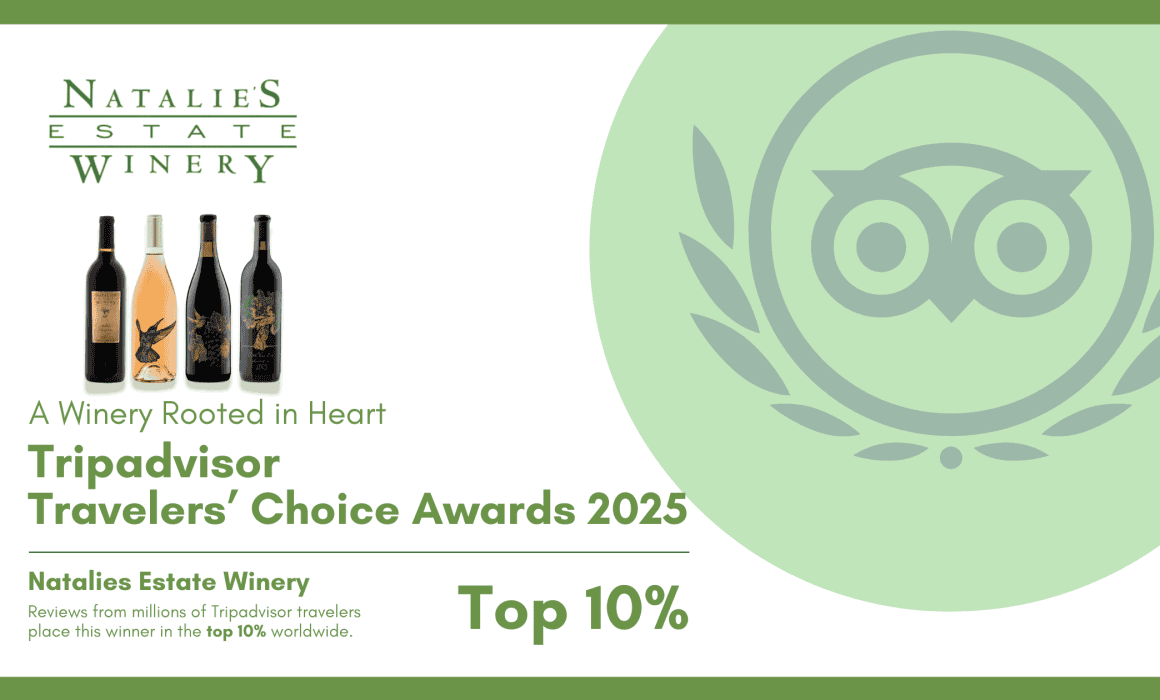
A Winery Rooted in Heart: Natalie’s Estate Winery Earns TripAdvisor Travelers’ Choice Award Third Year in a Row

This year, Natalie’s Estate Winery reached a beautiful milestone: being named a 2025 TripAdvisor Travelers’ Choice Award winner and ranked 1 out of all attraction in Newberg, Oregon. This is the third straight year that the winery has won this recognition.

It’s a recognition that speaks volumes, not just about the quality of their wines, but about the quiet, consistent hospitality they’ve extended over the years. For those who have visited, it’s no surprise. A tasting at Natalie’s doesn’t feel like a tourist stop. It feels like coming home.

From all of us at Sacred Fire Creative, congratulations to the Natalie’s Estate Winery team. We are so thrilled to celebrate this moment with you.

A Family Story, Bottled and Shared

Natalie’s Estate Winery began as many great things do: with family at the center.

In 1999, Boyd and Cassandra Teegarden planted the first seeds of the winery in Oregon’s Willamette Valley. Named after their daughter Natalie, the winery was more than a business. It was a legacy in the making.

Boyd brought his experience from the wine industry, while Cassandra applied her international business acumen. Together, they built something deeply personal. Not just a winery, but a place where connection, craftsmanship, and community would be the cornerstones.

From the beginning, they committed to doing things the hard but meaningful way: hand-harvested grapes, small-batch production, traditional European winemaking techniques. They didn’t chase trends. They built trust.

From a Quiet Hillside to a National Stage

What started as a humble estate in Newberg has grown into a name recognized across the Pacific Northwest. And now, the world.

Over the years, Natalie’s Estate has become known for its bold red varietals, including Zinfandel, Cabernet Sauvignon, Sangiovese, and Barbera – wines that are more commonly associated with California, but lovingly crafted in Oregon with care and finesse. Their recent 25th anniversary saw the introduction of a vibrant new Sauvignon Blanc, another step in their journey evolving while staying true to their roots. 

Visitors today are welcomed not by hired staff, but by Boyd and Cassandra themselves, who still host tasting by appointment. Whether you’re a wine enthusiast or a curious first-timer, every experience is personal, educational, and unhurried. It’s about relationship, not transaction.

This commitment to intimacy, quality, and generosity is what earned them the Travelers’ Choice Award, and why so many guests leave feeling like family.

Deeply Local, Proudly Connected

Beyond the wine, Natalie’s Estate Winery continues to invest in the community that shaped them.

Their partnerships with local artisans and nonprofits reflect a belief that business should serve more than just the bottom line. A portion of their wine label collections, such as the Big Sky Collection, featuring original Montana artwork, goes toward supporting river conservation charities.

Events like their wine-and-cheese pairings with Face Rock Creamery aren’t just indulgent. They’re a celebration of local craftsmanship and collaboration.

For Natalie’s Estate, wine has always been a vehicle for connection, creativity, and contribution.

A Toast to What Matters

It takes time to build a business like Natalie’s Estate Winery. Time, care, and a willingness to grow while staying grounded. Over 25 years, Boyd and Cassandra have done just that, nurturing not only vines, but relationships, traditions, and a reputation for excellence.

Being named Newberg’s #1 attraction on TripAdvisor is more than an accolade. It’s a reflection of what happens when you put people first and lead with heart.

At Sacred Fire Creative, we believe in honoring businesses that stay true to their story while uplifting others along the way. Natalie’s Estate Winery is one of those rare gems, and this recognition is richly deserved.

Sacred Fire Creative specializes in marketing for mission-driven and visionary founders seeking a wider community impact. If your business is in this space, we’d love to work with you. Contact us today, and let’s see how we can collaborate.


Oregon Startup Conference 2025: Building Strong Roots for the Future of Community

At the Oregon Startup Conference, held June 20, 2025, we witnessed something rare.

It wasn’t just a gathering of entrepreneurs. It was a moment—a shared breath—where hope, vulnerability, and possibility met in the same room.

Founders came with big dreams and unfinished ideas.

Mentors came with open hands and honest words.

Strangers became collaborators. Ideas became momentum.

And what started as a conference became something much deeper: community.

One quote echoed through our hearts all day long:

“Even if I knew that tomorrow the world would go into pieces, I would still plant my apple tree.” — Martin Luther King Jr.

That spirit was everywhere. In every pitch, every breakout session, every side conversation over coffee. People chose to plant something—an idea, a connection, a belief that what they’re building matters.

We created space for people to show up as they are. No polish required. Just passion, persistence, and purpose.

And that’s what made this event unforgettable.

Because at the heart of every startup is a voice. A story. A reason for doing the hard thing anyway.

At Sacred Fire Creative, that’s what we’re here to nurture: the voice that connects, the story that resonates, the brand that builds bridges between humans.

🧡 If you’re ready to find your authentic voice and use it to spark connection in your community, we’d love to collaborate.

Contact us today. Let’s build something beautiful together.


How to Ace the Job Interview as an Entrepreneur

For years, your job interview was a client pitch.

You didn’t talk about your job qualifications. Instead, you showed them.

You didn’t wait to be hired to show what you can do. Instead, you built a business around what you can do.

You wore every hat, made every decision, and held the full weight of success (and failure) on your shoulders.

But now, something has shifted.

Maybe you’re craving stability. Maybe you’re burned out. Or maybe, for the first time in a long time, you’re curious about what it might feel like to be part of a team again – this time, not as the leader, but as a contributor with clear boundaries, shared goals, and room to breathe.

And that’s brought you here: preparing to reenter the world of traditional employment.

But let’s be honest. Job interviews hit differently when you’ve been the boss.

In the first part of this blog series, we talked about the resume and the cover letter. Here, we’re going to tackle the job interview.

Why Interviews Are Uniquely Challenging for Entrepreneurs

When you’re used to creating your own opportunities, sitting across from someone evaluating your qualifications can make you feel vulnerable, even strange. 

There’s a quiet fear underneath.

Will they understand my story? Will they think I failed?

Am I too much? Or not enough?

These are common and completely normal questions for entrepreneurs making this leap.

Here’s why the interview stage can feel especially hard:

  1. Your career path is nonlinear. Traditional roles follow a ladder. Yours was more like a jungle gym.
  2. You’re afraid they’ll think you can’t follow. You’re no longer the CEO, but that doesn’t mean you can’t thrive in a supportive role. Still, that transition can be hard to communicate.

What Hiring Managers Need to Hear

You bring incredible value to the table. But it’s up to you to make that visible.

Here’s how to make your experience resonate in the interview:

Reframe your story.

Don’t just say, “I ran a business.” Translate it.

I launched and scaled a client-focused brand, led a team of five, managed a $100K budget, and built a marketing system that generated consistent leads through organic social media.

Be specific with your story and focus on outcomes. Connect your experience to the job you’re applying for.

Address the elephant in the room.

If your business closed or paused, acknowledge it confidently.

After several meaningful years in entrepreneurship, I’m choosing this next chapter intentionally. I’m excited to contribute in a focused role where I can apply my experience and collaborate with a team.

Most employers aren’t put off by your business pausing, closing, or being set aside. They just want to understand your “why” and know you’re ready to show up fully.

Shift the narrative from “boss” to “team player.”

One of the biggest assumptions you may face is that you won’t take direction or adapt well to the hierarchy.

Prove them wrong by sharing examples of collaborative partnerships, taking client feedback, and learning from mentors or peer networks.

Let them see your willingness to grow within a team, without needing to lead everything.

Use the STAR Method to Tell Compelling Stories

Entrepreneurs are natural storytellers. But job interviews require a more structured kind of storytelling.

That’s where the STAR method comes in.

STAR stands for:

  • Situation: What was going on?
  • Task: What challenge or goal were you facing?
  • Action: What specific steps did you take?
  • Result: What was the outcome? 

This method helps you clearly demonstrate your value through real-life experiences. And that’s something entrepreneurs have in abundance.

Let’s break it down:

SITUATION: Set the Scene.

“Our customer retention rates were dropping, and we realized our onboarding process wasn’t setting clients up for success.”

TASK: Define the Challenge or Goal.

“I need to redesign the onboarding system to improve retention and create a more seamless client experience.”

ACTION: Describe What You Did. 

“I mapped out the existing process, created a new step-by-step welcome journey, and trained my team on delivering it consistently.”

RESULT: Share the Outcome.

“Client retention improved by 35% over the next six months, and support tickets dropped by half.”

Here are a few STAR tips that entrepreneurs can use during the job interview:

  1. Choose diverse stories. Highlight collaborations, problem-solving, and resilience, not just your wins.
  2. Tailor your examples. Connect them directly to the skills the job requires.
  3. Practice out loud. STAR stories are designed to be spoken so they can be remembered.
  4. Stay focused. The structure helps you avoid rambling, a common habit among founders.

Using the STAR method turns your entrepreneurial experience into concise, impressive stories that resonate with hiring managers. It shows that you’re not just experienced; you’re self-aware, coachable, and ready to contribute. 

Find the Right Support

Transitioning from entrepreneurship to traditional employment doesn’t just involve a career shift. It’s diving into an identity shift.

And it’s okay to need help navigating it.

That’s why we’re hosting the second session in our Job Searching for Entrepreneurs series: Nailing the Interview: How to Tell Your Story with Confidence.

Whether you’re getting ready for your first interview in years or struggling to translate your founder journey into corporate language, this event is for you. We’ll walk through real examples and hold space for the complexity of this transition without judgment. 

This second session is on August 12, 2025, at Offbeat Coffee in Salem, OR. Just like the first session, it will be led by Conrad Rohleder of Clearinity and Malee Ojua of Sacred Fire Creative.

Come as you are – curious, cautious, or completely overwhelmed. You’ll leave with tools, language, and renewed clarity for your next step.

Because you’re not starting over.

You’re starting fresh, with experience, perspective, and something powerful to offer.

RSVP here.


Gratitude, Growth, and Grit: A Look Back at the Oregon Startup Conference

On June 20, 2025, Sacred Fire Creative had the honor of facilitating the Oregon Startup Conference on behalf of Launch Mid-Valley, an initiative that supports entrepreneurial growth in the state’s Mid-Willamette Valley region.

Emceed by Launch Mid-Valley’s Venture Catalyst Mike White and Innovation Navigator Malee Ojua, this year’s Conference was more than a gathering. It was a vibrant showcase of innovation, resilience, and community. Entrepreneurs, thought leaders, investors, and local changemakers filled Canyon Commons in George Fox University, all united by one mission.

And that is to champion small business success across Mid-Willamette Valley and beyond.

At its core, the Conference is about building bridges. It’s about giving early-stage founders access to the tools, mentors, and resources they need to take the next steps.

It’s about telling the stories of entrepreneurs who are doing the work, making an impact, and reimagining what’s possible together.

Pitch Willamette: Spotlighting Tomorrow’s Leaders

One of the most anticipated moments of the day came during the Pitch Willamette competition, where ten bold startups took the stage to share their visions for the future.

These startups are: PourUp, Communal, Where to Eat Guide, Dayo Technologies, Pure Light Botanical Beauty, Pour Soul Systems, NerdNode, Rising Wine Collective, Accent Innovations, and Life2Launch Institute.

After an inspiring round of pitches, Dayo Technologies emerged as the grand prize winner, earning a $30,000 investment to accelerate their growth. Their app attempts to transform the way people utilize social media by rewarding them when they minimize the time they spend on these platforms.

The People’s Choice Award, a $1,000 prize voted on by attendees, went to Life2Launch Institute. Life2Launch is an app focused on educating and guiding young people as they prepare for college and transition into adulthood.

These two winners exemplify the entrepreneurial spirit that thrives in our region: resourceful, mission-driven, and deeply committed to solving real-world problems.

Last year’s winner, Revino, also returned to the stage to share updates on what they have accomplished since.

BA1 6187 Sacred Fire Creative
Dayo Technologies wins grand prize at Pitch Willamette.
Life2Launch Institute wins People's Choice Award at Pitch Willamette.

A Firestarter Keynote

Another highlight of the Oregon Startup Conference is a powerful keynote address by Bob Dalton, founder of Sackcloth & Ashes. Sackcloth & Ashes is a company that operates on a 1:1 model, where for every blanket sold, a blanket is donated to a homeless shelter. He also recently launched LOCL, an app that promotes intentional, hyper-localized, and community-centered social connections.

Bob’s story of social entrepreneurship, compassion, building a brand rooted in purpose, and empowering grassroots movements capped the tone of the Conference. His message reminded everyone in the room that business can be both a tool for innovation and a force for good. He also emphasized that the most impactful ventures often begin with one person choosing to care.

Bob Dalton delivers keynote speech at Oregon Startup Conference.
Bob Dalton of Sackcloth & Ashes and LOCL speaking at the Oregon Startup Conference.

The Resource Fair: Where Innovation Meets Community

Throughout the day, attendees explored the Resource Fair, a cornerstone of the Oregon Startup Conference experience. Each section was designed to meet startups where they are and connect them with the people and tools they need to grow.

These sections are:

  • Hands-On Tech Lab, which showcased local tech innovation in action
  • Startup Lounge: Meet the Mentors, a welcoming space for one-on-one conversations with seasoned founders and business leaders
  • Startup Support Central, which provided direct access to incubators, business development organizations, and funding resources
  • Rest and Recharge, a space where attendees were able to take a break and just breathe
  • The Marketplace, where local entrepreneurs showcased their products and services, building visibility while creating meaningful connections
BA1 5923 Sacred Fire Creative

Three Panels, Countless Insights

The day was also filled with powerful storytelling through three thoughtfully curated panels.

The morning’s Success Panel, moderated by Yalda Moshiri of Oregon Entrepreneurs Network (OEN), focused on the challenges of launching a startup. The panel included:

BA1 6023 Sacred Fire Creative
The morning Success Panel moderated by Yalda Moshiri.
BA1 6030 Sacred Fire Creative
The morning's Success Panelists: Tracy Camp, Pallavi Pande, Jamie Bianchini, Emily Cadiz, Kristy Runge, and Kieran Bailey

This panel was shortly followed by the Access to Capital Panel. Led by moderator Catherine Summers of The Bella Casa Group, it offered a deep dive into funding strategies for startups. Joining this panel are:

BA1 6069 Sacred Fire Creative
The Access to Capital Panel, moderated by Catherine Summers.
BA1 6066 Sacred Fire Creative
The Access to Capital Panelists: Steve Eichenlaub, Catherine Summers, Quinn Millegan, Nicci Walker, Jeff Hilderbrand, Scott Bossom, Ricardo Lopez

The afternoon Success Panel, moderated by Sacred Fire Creative’s own Malee Ojua, brought a heart-centered perspective on entrepreneurship and the role of storytelling in its growth. The panel is made up of:

BA1 6111 Sacred Fire Creative
The afternoon Success Panel, moderated by Malee Ojua
BA1 6115 1 Sacred Fire Creative
The afternoon Success Panelists: Callie Christensen, Rachel Dreilinger, Rita Hansen, John Mead, Dr. Joan Fleishman, Kelly Oriard, Patrick Crowley, Malee Ojua

Each panelist brought their own story of grit, vision, and purpose, highlighting the diversity of paths to success and the common thread of mission-driven leadership.

Community-Fueled, Mission-Aligned

The Oregon Startup Conference is a project of Launch Mid-Valley (LMV), the Mid-Willamette Valley Regional Innovation Hub. Funded by Business Oregon and overseen by Strategic Economic Development Corporation (SEDCOR), LMV supports entrepreneurial innovation and growth in Oregon’s Polk, Marion, and Yamhill counties.

As a collaborative initiative, LMV works closely with partners such as the Chemeketa Small Business Development Center, Chemeketa Community College, McMinnville Economic Development Partnership (MEDP), Latino Business Alliance, Indy Idea Hub, George Fox University, Oregon Manufacturing Extension Partnership, and the Chehalem Valley Innovation Accelerator

The Conference is also made possible by the generous support of WaFd Bank, National Association of Women Business Owners (NAWBO) Oregon, Catherine Summers, and Dr. Nicole Villegas of Sensory Conscious Institute.

Sacred Fire Creative is grateful for the opportunity to serve the community through the Oregon Startup Conference on behalf of Launch Mid-Valley. It aligns with our mission to uplift small business owners, amplify their authentic voices, and use brand storytelling as a bridge to reach and inspire others. The Conference was a living expression of that mission.

BA1 6202 Sacred Fire Creative
Launch Mid-Valley Innovation Navigator Malee Ojua and Venture Catalyst Mike White

To everyone who showed up – to pitch, to speak, to mentor, to learn, or to cheer from the sidelines, thank you. Your presence made this gathering transform into a movement.

If you’re a founder looking to find your authentic voice and use your stories to build powerful connections with your audience, contact us today. Let’s see how we can collaborate.


Scaling with Integrity: How Kristy Runge Helped Build HelloCare’s Operational Backbone

Kristy Runge didn’t just co-found a caregiving company. She architected its operational success.

With decades of experience in healthcare and business leadership, Kristy understood that meaningful care doesn’t scale on goodwill alone. It takes rigorous systems, thoughtful hiring, quality assurance, and leadership that balances compassion with performance.

That’s the foundation she helped build at HelloCare, a company now serving families in multiple cities across Oregon.

The System Behind the Soul

While HelloCare is known for its deeply personal, people-first approach to in-home care, much of that consistency comes from the operational design that Kristy helped create.

She implemented systems and processes at HelloCare that ensure quality at scale without sacrificing heart. Her leadership bridges the emotional weight of caregiving with the accountability and structure required to grow a service-based business that can last.

It’s that rare balance between heart and logistics that has made HelloCare not just sustainable but replicable.

Why Founders Should Hear Her Speak at the Oregon Startup Conference

Kristy Runge will be featured on the Success Panel at the Oregon Startup Conference on June 20, 2025, at George Fox University.

There, she will offer founders a transparent look into what it really takes to scale a mission-driven operation.

She’ll speak to the practical aspects that many early-stage businesses overlook: operational workflows, systems thinking, hiring for values and competence, and building processes that grow with your team – not against them. 

If you’re an entrepreneur building in the service space, Kristy’s insights are both inspiring and actionable. She’s walked the road of taking a community-centered idea and turning it into a business with backbone. And she’s ready to share how.

Hear from founders like Kristy Runge, who know how to build for both heart and scale.

Register at www.oregonstartupconference.com.


Slumberkins: How Two Moms Built a Global Brand for Early Learning and Emotional Wellness

In the heart of the Pacific Northwest, two lifelong friends transformed a shared passion for child development into a thriving business.

Kelly Oriard and Callie Christensen, co-founders of Slumberkins, have created a brand that not only comforts children but also empowers them with emotional intelligence.

Their journey from educators to entrepreneurs exemplifies the innovative spirit that defines the local startup ecosystem.

The Genesis of Slumberkins

Kelly and Callie are, first and foremost, friends. It was a friendship that began in childhood. Their paths eventually diverged: Kelly became a school counselor and family therapist in Portland, OR, while Callie built a career as a special education teacher in Vancouver, WA.

However, a mutual recognition of the lack of engaging emotional learning tools for children brought them back together. They began crafting stories and sewing plush creatures that embodied therapeutic concepts in 2015, thus laying the foundation for Slumberkins. Their initial creations, Bigfoot and Sloth, addressed self-esteem and relaxation. These characters resonated with parents and children alike. 

In 2017, Kelly and Callie took their concept to Shark Tank. While they were not able to secure an investment, they pushed forward. That decision led to the development of a comprehensive product line that includes plushies, books, educational resources, and an Emmy-nominated television series produced by The Jim Henson Company. Slumberkins has since become a trusted resource for over 1.5 million families, offering tools that foster resilience and emotional growth in children.

In 2022, they brought in a CEO to focus on the business side of things at Slumberkins. Kelly transitioned into the Chief Therapeutic Officer, while Callie became the Chief Brand Officer.

Impact on the Oregon Startup Community

Beyond their business success, Kelly and Callie are active contributors to the local entrepreneurial landscape. They have shared their insights at events like the Bend Venture Conference, Portland Startup Week, and Starve Ups, providing guidance on fundraising and brand development.

Their efforts have not gone unnoticed. In 2022, they received the Entrepreneurial Achievement Award from the Oregon Entrepreneurs Network, recognizing their significant contributions to the state’s innovation economy. Their inclusion in Inc.’s 2023 Female Founders 200 List further underscores their influence and dedication to fostering a supportive environment for women in business.

Meet Kelly and Callie at the Oregon Startup Conference

Kelly and Callie’s journey embodies the essence of entrepreneurial success: identifying a need, creating a solution, and scaling it with authenticity and purpose. Their experience in building a mission-driven brand that prioritizes emotional wellness offers invaluable lessons for startups aiming to make a meaningful impact.

Their presence on the Success Panel at the Oregon Startup Conference will provide attendees with practical strategies and inspiration drawn from real-world experience.

Don’t miss the opportunity to engage with Kelly Oriard and Callie Christensen at the conference on June 20, 2025, at George Fox University. Their story is a testament to the power of combining passion with purpose, and their insights could be the catalyst for your own entrepreneurial journey.

Register for the Oregon Startup Conference.


Tech that Heals, Leadership that Elevates: How Rachel Dreilinger Is Bridging Innovation and Inclusion in MedTech

When Rachel Dreilinger co-founded NeuraMedica, she wasn’t just setting out to solve a surgical problem. She was aiming to change the way innovation works for patients, providers, and underrepresented entrepreneurs like herself.

A biomedical engineer by training and a systems thinker by instinct, Rachel brings over two decades of experience in medical development to her role as NeuraMedica’s CEO. Her path has taken her from engineering labs to executive leadership, but the heart of her work has always remained the same.

And that is to use technology to make people’s lives better.

A Simple Idea with Profound Impact

At the center of NeuraMedica’s story is DuraFuse™, an elegantly engineered bioabsorbable clip that offers a safer, faster alternative to traditional sutures for closing the dura mater during spinal surgery.

Designed to reduce the risk of cerebrospinal fluid leaks that come with traditional spinal surgery and improve surgical efficiency, DuraFuse is FDA-cleared and commercially viable. It’s a milestone that only a handful of startups in this corner of the medical space ever reach.

The journey to get there wasn’t simple.

Rachel and her co-founder, neurosurgeon Dr. Neil Roundy, began with a prototype and a bold idea. Backed by grants and early collaborations with Oregon Health & Science University, they methodically advanced their technology through years of clinical research, testing, and refinement.

Leading with Vision and Roots

Rachel is a proud member of the Diné (Navajo) Nation and one of the few Native American women leading a medical technology company. That perspective shapes everything she does, from how she leads her team to how she shows up for the broader community.

She’s a vocal advocate for inclusion in entrepreneurship and STEM, especially for women and Indigenous founders. Her leadership is visible not only inside NeuraMedica but also across Oregon’s startup ecosystem. Rachel frequently participates in regional pitch events, panels, and mentorship programs, where she offers real-world guidance to founders navigating similar hurdles.

Rachel has been recognized for that work, too. NeuraMedica was a finalist for Oregon Entrepreneurs Network’s Angel Oregon Life & Bioscience Investment in 2024. This is a clear sign that the innovation coming out of Mid-Willamette Valley is gaining significant attention.

Meet Rachel at the Oregon Startup Conference

On June 20, 2025, Rachel will be part of the Success Panel of the Oregon Startup Conference at George Fox University.

She does more than represent the future of MedTech. She’s helping to shape it. Her story is a reminder that great startups aren’t only built on good ideas. They’re built on perseverance, collaboration, and a vision that extends beyond the bottom line.

Don’t miss the opportunity to connect with Rachel Dreilinger. She’s someone worth knowing, whether you’re passionate about healthcare innovation, inclusive entrepreneurship, or just want to meet someone who is changing the game in their field.

Register for the Oregon Startup Conference today.


Privacy Settings
We use cookies to enhance your experience while using our website. If you are using our Services via a browser you can restrict, block or remove cookies through your web browser settings. We also use content and scripts from third parties that may use tracking technologies. You can selectively provide your consent below to allow such third party embeds. For complete information about the cookies we use, data we collect and how we process them, please check our Privacy Policy
Youtube
Consent to display content from Youtube
Vimeo
Consent to display content from Vimeo
Google Maps
Consent to display content from Google